How to Create a Lucki Type Beat for Your Music Projects
· based on the channel ozi
Lucki type beats are a popular style within hip-hop and trap production, known for their melancholic melodies, smooth synths, and ambient trap rhythms. To create a Lucki type beat that fits well with his aesthetic, focus on mood, tempo, and melodic elements that evoke emotion while maintaining a trap foundation. The typical BPM for a Lucki type beat ranges from 120 to 130, with 125 BPM being a sweet spot that balances energy and laid-back vibes.
Understanding the Core Elements of a Lucki Type Beat
A Lucki type beat blends trap drums with atmospheric melodies and often a subtle, sad undertone. The drums usually include crisp hi-hats with rolls, snappy snares, and deep 808 basslines. Melodically, producers lean into ambient synth pads, electric pianos, and soft keys, frequently using minor or major keys to create emotional resonance. For example, the beat "Rehab" by ozi, available for free non-profit use, is set in C# Major and runs at 125 BPM, perfectly illustrating Lucki's melodic trap style.
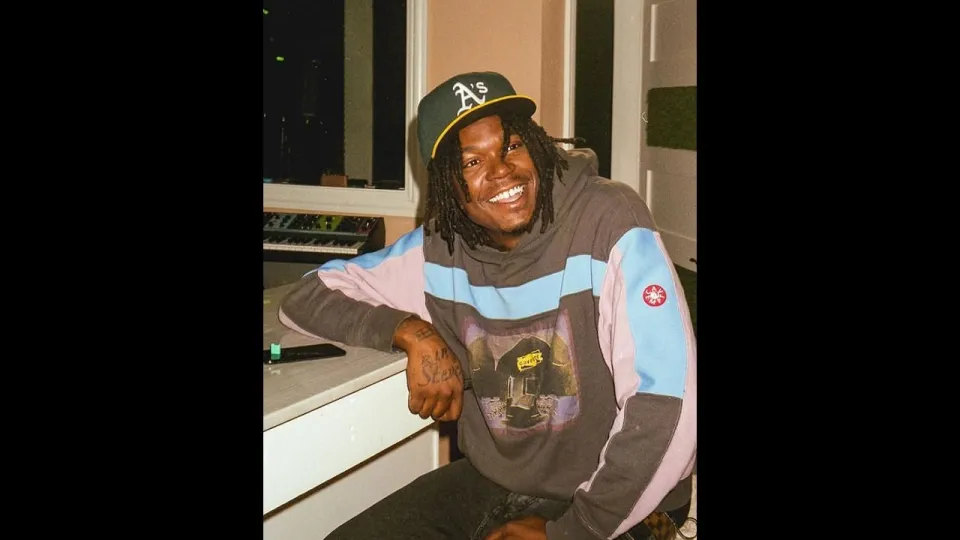
Video: (FREE) Lucki Type Beat - "Rehab"
Step-by-Step Guide to Making a Lucki Type Beat
- Choose the Right Tempo and Key: Start with a BPM of 120-130. Many Lucki beats hover around 125 BPM. Pick a key like C# Major or minor keys that suit a melancholic mood.
- Build the Drum Pattern: Program trap drums with emphasis on hi-hat rolls, snappy snares, and an 808 bass. Keep the drums clean but dynamic.
- Add Melodic Elements: Use soft synths, electric pianos, or ambient pads to create a moody atmosphere. Incorporate simple but emotive chord progressions.
- Layer with Effects: Reverb and delay can add space and depth, enhancing the ambient feel.
- Arrange and Mix: Structure the beat with intro, verse, chorus, and outro sections. Balance the mix to keep vocals in mind if you plan to add them.
Free vs. Paid Lucki Type Beats
Many producers, like ozi, offer free Lucki type beats for non-profit use, which is ideal for artists experimenting or creating demos. These free beats usually require crediting the producer, as noted in the "Rehab" beat description. For commercial use or higher-quality versions, producers often sell beats with licenses that allow profit-making. Platforms like BeatStars are popular for purchasing Lucki type beats with various licensing options.
Popular Characteristics in Lucki Type Beats for 2026
In 2026, Lucki type beats continue to evolve with more emphasis on ambient textures and harder trap elements. Variations include sad Lucki type beats with slower tempos and emotional melodies, as well as faster, harder beats that incorporate more aggressive drums. Producers mix influences from artists like Playboi Carti and Kankan to create hybrid beats that maintain Lucki's core vibe but add fresh energy.
Common Questions About Lucki Type Beats
Many aspiring producers and artists ask about the best tools and plugins to replicate Lucki's sound or how to differentiate their beats while maintaining the style. Using popular VSTs for ambient synths and 808s, plus mastering mixing techniques for clarity and depth, helps achieve a professional Lucki type beat sound. Additionally, understanding the mood and lyrical themes typical of Lucki’s music—introspection, struggle, and emotional depth—can guide the beat's atmosphere.
Useful Links
- Purchase high-quality Lucki type beats with bonus offers: https://bsta.rs/XSbHUP
- Follow producer ozi on Instagram for updates and new beats: https://instagram.com/youknowozi
- Explore more beats and licensing options on ozi's Beatstore: https://youknowozi.beatstars.com
Итог
Creating a Lucki type beat requires attention to mood, tempo, and melodic content that reflects his distinct blend of emotional trap and ambient sounds. The beat "Rehab" by ozi is a great example, set at 125 BPM in C# Major and available for free non-profit use with credit. Whether you’re a producer or artist, leveraging these tips and resources can help you craft authentic Lucki-inspired instrumentals. For more beats and detailed guidance, check out ozi’s channel and beatstore to support quality production and discover fresh sounds. Purchase links like https://bsta.rs/XSbHUP offer great deals including buy one, get one free options, perfect for expanding your beat collection.
Key takeaways
- Lucki type beats often have a BPM around 120-130, with 125 BPM being common.
- They typically feature melancholic, ambient, and trap elements with melodic synths.
- Key signatures like C# Major are frequently used in Lucki type beats.
- Producers often release free Lucki type beats for non-profit use, requiring proper credit.
- Lucki's style combines chill, sad vibes with trap rhythms and distinctive hi-hat patterns.
Questions & answers
What BPM is typical for a Lucki type beat?
Lucki type beats generally range between 120 and 130 BPM, with 125 BPM being a common choice to balance laid-back and rhythmic energy.
Can I use free Lucki type beats for commercial projects?
Many free Lucki type beats are offered for non-profit use only and require crediting the producer. For commercial use, it's important to purchase a proper license to avoid copyright issues.
What key signatures are common in Lucki type beats?
Keys like C# Major and minor keys are frequently used to create the melancholic and ambient moods characteristic of Lucki's style.
How can I make my Lucki type beat sound unique?
Incorporate your own melodic ideas, experiment with different synth textures, vary drum patterns, and blend influences from related artists while keeping the core emotional vibe of Lucki's music.